 By Admin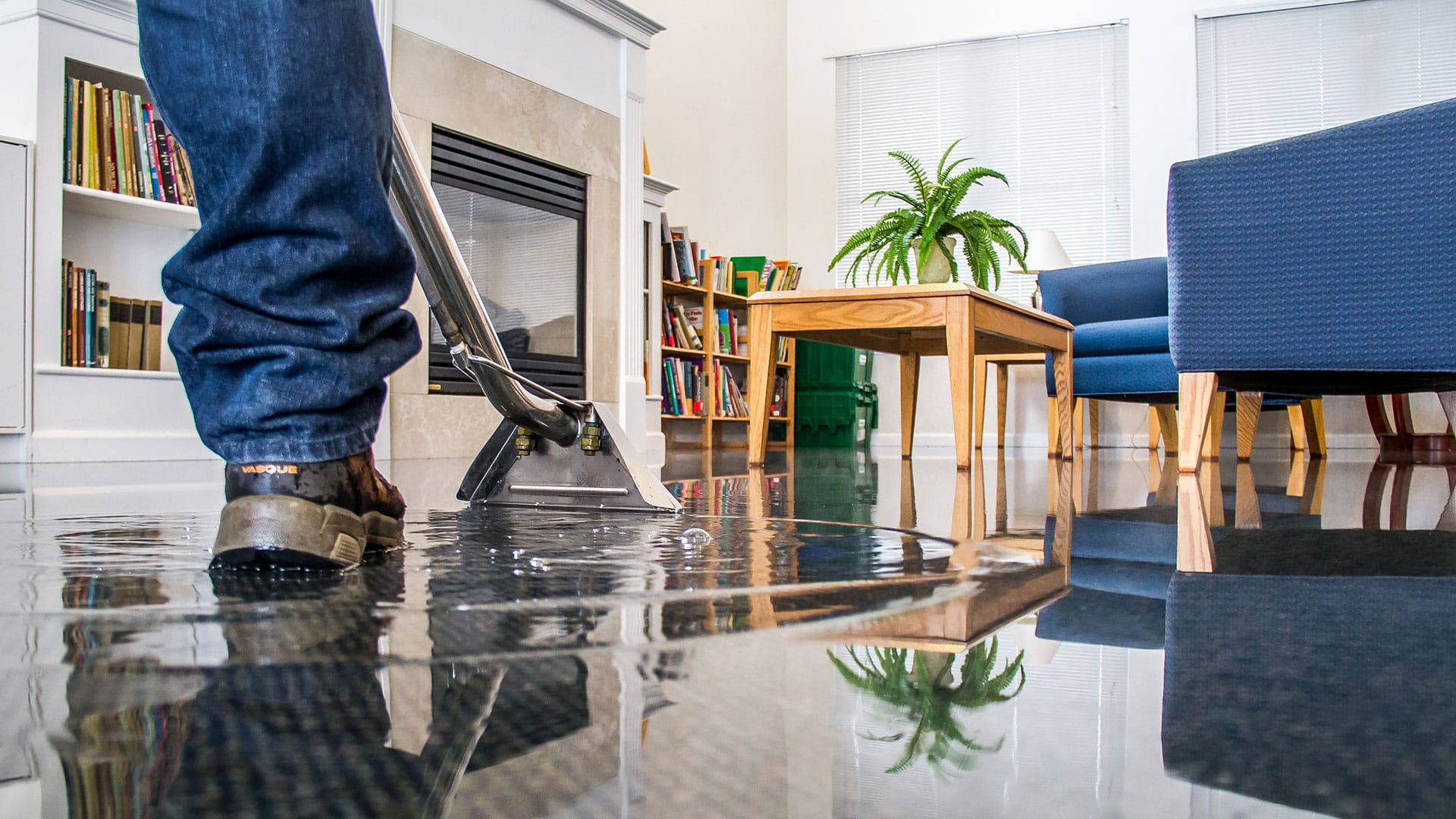
Water damage in residential or commercial properties can be devastating, not only because of the immediate destruction but also due to the long-term consequences like mold growth. Addressing water intrusion promptly and effectively is crucial, and professional water damage cleaning is the most reliable way to ensure safety, hygiene, and structural integrity. Mold can develop within 24 to 48 hours if water exposure is not properly managed, making rapid intervention essential.
Understanding Water Damage and Its Risks
Water damage can result from various causes including flooding, pipe bursts, roof leaks, or sewage backups. When water penetrates floors, walls, or ceilings, it creates an ideal environment for bacteria and mold spores to thrive. Mold growth not only compromises the appearance and smell of a property but also poses serious health risks such as respiratory issues, allergies, and infections.
Professional water damage cleaning goes beyond surface drying; it addresses hidden moisture pockets, removes contaminated materials, and ensures that affected areas are sanitized. Ignoring water damage or attempting DIY cleaning can inadvertently increase the risk of mold growth, resulting in costlier repairs and long-term health concerns.
Immediate Steps in Water Damage Cleaning
Timing is critical when dealing with water damage. The first step is to stop the source of water intrusion. For example, shutting off a broken pipe or contacting emergency services after a flood can prevent further damage. Once the water source is controlled, professional water damage cleaning specialists assess the extent of the damage using moisture meters, thermal imaging cameras, and other diagnostic tools.
The next step is water extraction. High-powered pumps and vacuums are used to remove standing water quickly. This step is crucial because the longer water sits, the more saturated materials become, making them more prone to mold development. Water damage cleaning at this stage is precise, targeting both visible and hidden water accumulations.
Drying and Dehumidification Techniques
After water extraction, drying the property thoroughly is the next priority. Professionals employ industrial-grade dehumidifiers, air movers, and ventilation systems to accelerate drying. Simply opening windows or using household fans is not sufficient, as moisture can remain trapped inside walls, floors, or insulation.
Professional water damage cleaning includes monitoring moisture levels continuously to ensure that every part of the property reaches a safe dryness threshold. This process can take several days, depending on the severity of the water damage and the materials involved. The goal is to eliminate any remaining moisture that could serve as a breeding ground for mold.
Sanitization and Mold Prevention
Once drying is complete, sanitization is vital. Water damage often carries contaminants, including bacteria, viruses, and chemical residues. Professionals use EPA-approved cleaning agents and antimicrobial treatments to disinfect surfaces. Carpets, furniture, and personal belongings may also be treated or replaced if contaminated.
Mold prevention is integrated into professional water damage cleaning. Even if no mold is visible, spores can remain dormant and become active when conditions are favorable. Professionals apply mold inhibitors and ensure proper ventilation to reduce humidity and prevent mold regrowth.
Addressing Structural and Material Damage
Water can compromise structural integrity by weakening wood, drywall, and flooring. Professional water damage cleaning involves assessing which materials can be salvaged and which need replacement. Restorative techniques, such as drying hardwood floors carefully or removing damaged drywall, help preserve the property while ensuring safety.
Ignoring damaged materials or attempting partial cleaning increases the likelihood of mold development. Professionals follow industry standards for remediation, ensuring that all affected materials are handled correctly to avoid hidden mold colonies.
Importance of Professional Expertise
Many homeowners underestimate the risks of water damage and opt for DIY solutions. However, professional water damage cleaning is critical for comprehensive restoration. Experts have specialized equipment, training, and experience to address both visible and hidden damage. They also follow guidelines set by organizations such as the Institute of Inspection, Cleaning and Restoration Certification (IICRC) to ensure proper remediation.
The cost of professional intervention may seem high initially, but it prevents more severe damage and potential health issues in the long term. Mold remediation and structural repairs after inadequate cleaning are far more expensive than proactive professional services.
Ongoing Prevention and Maintenance
After professional water damage cleaning, property owners can take steps to minimize future risks. Regular inspection of plumbing, roofing, and drainage systems is essential. Installing dehumidifiers in moisture-prone areas, maintaining proper ventilation, and promptly addressing leaks can prevent water accumulation and mold growth.
Additionally, storing personal items off the floor and using water-resistant materials in basements or bathrooms reduces vulnerability. Professionals often provide guidance on maintaining a safe, mold-free environment post-cleaning.
Conclusion
Water damage is more than a temporary inconvenience; it can lead to serious structural, financial, and health consequences if not properly addressed. Professional water damage cleaning ensures rapid water removal, thorough drying, effective sanitization, and mold prevention. By investing in expert services, property owners protect both their investment and the well-being of occupants. Quick, thorough, and professional intervention is the key to avoiding the hidden dangers of mold growth after water damage.
Professional water damage cleaning is not just about removing water—it’s about restoring safety, hygiene, and peace of mind. Prioritizing professional remediation immediately after water intrusion safeguards your property from long-term consequences and ensures a healthier environment for everyone inside.
This approach guarantees that every step, from extraction to drying, disinfecting, and monitoring, is executed with precision, leaving no room for mold to thrive. Acting quickly and relying on professional expertise is the best strategy to mitigate damage and maintain a safe, mold-free property.