 By Admin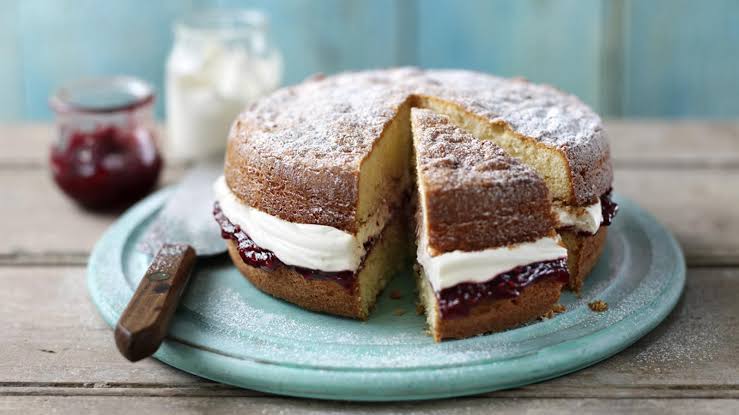
Spring is the perfect season to enjoy light desserts, fresh fruit, and refreshing citrus flavors. As the weather becomes warmer and gardens begin to bloom, many people look for sweet treats that feel vibrant rather than heavy. Fruit-infused sponge cakes offer an excellent way to celebrate the season, combining a soft, airy texture with the natural sweetness and tangy flavors of seasonal ingredients. From juicy strawberries and ripe blueberries to fragrant lemons and sweet oranges, these cakes bring freshness, color, and delicious flavor to any spring gathering.
Whether prepared for a family brunch, afternoon tea, a birthday celebration, or a weekend picnic, a fruit-filled sponge cake can turn an ordinary occasion into something special. With simple ingredients and creative combinations, home bakers can create beautiful desserts that look inviting and taste wonderfully refreshing.
Why Sponge Cakes Are Perfect for Spring
A sponge cake is known for its delicate texture, light crumb, and balanced sweetness. Unlike richer desserts that rely heavily on buttercream or dense fillings, traditional sponge cakes often use whipped eggs to create an airy structure. This makes them an excellent foundation for fruit, citrus zest, fresh cream, and light toppings.
Spring ingredients complement this texture particularly well. Fruits provide natural sweetness and moisture, while citrus adds brightness that prevents the dessert from tasting overly sweet. The result is a cake that feels fresh, flavorful, and suitable for everything from casual afternoon treats to elegant celebrations.
Another advantage is versatility. Bakers can experiment with different fruits, fillings, and decorations without completely changing the basic recipe. A simple vanilla sponge can become a lemon-infused dessert, a strawberry celebration cake, or an orange-flavored treat with only a few thoughtful adjustments.
Lemon-Infused Sponge Cake for a Refreshing Citrus Flavor
Lemon is one of the most popular ingredients for spring baking because of its clean aroma and pleasantly tart taste. Adding freshly grated lemon zest to cake batter introduces fragrant citrus oils that enhance the overall flavor. A small amount of lemon juice can provide additional tanginess, although it should be used carefully to maintain the cake’s texture.
A lemon sponge pairs beautifully with whipped cream, vanilla frosting, or a thin layer of lemon curd. For an elegant finish, bakers can decorate the top with thin lemon slices, edible flowers, or a light dusting of powdered sugar.
The combination of airy cake and tangy lemon filling creates a balanced dessert that works particularly well after a hearty meal. It is also an excellent choice for garden parties, spring weddings, and afternoon tea gatherings.
For an extra layer of flavor, brush the cooled sponge layers with a light lemon syrup before adding the filling. This technique helps keep the cake moist while intensifying its citrus character.
Strawberry and Cream Cake for Seasonal Sweetness
Strawberries are closely associated with spring and early summer, making them a natural choice for fruit-infused desserts. Their bright color and sweet-tart flavor create an appealing contrast with a soft sponge and smooth cream.
To prepare a strawberry-filled cake, begin with a light vanilla sponge. Once cooled, divide it into layers and spread whipped cream between them. Add thinly sliced fresh strawberries, arranging them evenly so that every slice contains a good balance of fruit and cake.
A small amount of strawberry jam can enhance the filling and provide additional sweetness. However, fresh berries should remain the main attraction because their natural texture gives the dessert a refreshing quality.
For decoration, arrange whole strawberries on top and add a few mint leaves for a splash of green. The finished cake looks attractive on a spring dessert table and offers a familiar flavor combination that appeals to both children and adults.
Because strawberries release moisture after cutting, assemble the cake relatively close to serving time and refrigerate it if the filling contains fresh cream.
Orange Sponge Cake with Fragrant Spring Notes
Oranges bring a sweeter, milder citrus flavor than lemons, making them ideal for bakers who prefer a less tart dessert. Fresh orange zest adds a fragrant aroma, while a small quantity of orange juice can contribute a gentle fruity taste.
An orange-infused sponge works beautifully with vanilla cream, mascarpone filling, or a simple orange glaze. The citrus flavor also complements white chocolate, toasted almonds, and dark chocolate decorations.
For a bright spring presentation, finish the cake with thin orange slices, candied citrus peel, or finely grated zest. These simple decorations make the dessert look polished without requiring advanced decorating skills.
Blood oranges can provide a deeper color when available, while ordinary sweet oranges remain an excellent everyday option. For the best flavor, use fresh zest from clean fruit and avoid including too much of the bitter white pith beneath the peel.
Blueberry and Lime for a Unique Fruit Combination
Blueberries offer a naturally sweet flavor and attractive color that makes them a wonderful addition to spring desserts. When combined with lime, they create a refreshing contrast between soft berry sweetness and sharp citrus notes.
One approach is to prepare a vanilla sponge and layer it with blueberry compote and lightly sweetened cream. The compote can be made by gently cooking blueberries with a little sugar and lime juice until the fruit softens and the mixture thickens. Allow it to cool completely before spreading it over the cake.
Fresh blueberries can also be folded into a suitable batter, although adding too many may affect the cake’s structure. For a more reliable result, use them primarily in the filling or as a topping.
A finishing touch of lime zest gives the dessert a vibrant aroma. This combination is especially suitable for outdoor lunches, spring birthdays, and occasions when a traditional strawberry cake feels too familiar.
Tips for Baking a Light and Moist Fruit Sponge
Creating a successful fruit-infused cake requires attention to texture as well as flavor. Even the freshest ingredients cannot compensate for a sponge that becomes dense, dry, or soggy.
First, measure ingredients carefully. Baking depends on balanced proportions, and excessive liquid from fruit juice or puree can interfere with the cake’s structure. When adapting a recipe, make small adjustments rather than adding large amounts of liquid.
Second, incorporate whipped eggs gently. If the recipe relies on beaten eggs for volume, fold the dry ingredients into the mixture carefully to preserve the trapped air. Overmixing can result in a flatter, heavier cake.
Third, allow the sponge to cool completely before adding cream or fruit fillings. Warm cake can cause cream to soften and fruit juices to spread unevenly. Cooling the layers also makes slicing and assembly easier.
Finally, balance sweetness with acidity. A filling that combines fresh fruit with lightly sweetened cream often tastes more refreshing than one containing several layers of sugary frosting. Taste the fruit before preparing the filling and adjust the sugar according to its natural sweetness.
Creative Decorations for a Beautiful Spring Dessert
Presentation plays an important role in making a spring cake memorable. Fortunately, fruit provides natural decoration that requires little additional effort.
Arrange strawberries, raspberries, blueberries, or orange segments in simple patterns across the top. For a softer appearance, add small edible flowers that are specifically grown for culinary use. Mint leaves can provide contrast, while a delicate coating of powdered sugar creates an elegant finish.
Bakers can also use alternating sponge layers to create an attractive interior. A lemon sponge with raspberry filling, for example, produces a colorful slice that reveals its flavors immediately. Similarly, orange sponge layered with cream and blueberries offers a pleasing combination of warm and cool colors.
Avoid overcrowding the decoration. A few carefully arranged ingredients often look more appealing than a large assortment of toppings. The goal is to highlight the cake’s freshness while keeping the presentation simple and inviting.
Serving and Storing Fruit-Infused Cakes
Fruit-infused sponge cakes are best served when their flavors and textures are at their peak. Cakes filled with fresh cream should be kept refrigerated and removed shortly before serving. For outdoor events, avoid leaving cream-filled desserts in warm conditions for extended periods.
If preparing the cake in advance, bake the sponge layers separately and store them in an airtight container once completely cooled. Assemble the cake closer to serving time when possible, particularly when using juicy fruit.
Leftovers containing fresh cream should be refrigerated promptly and generally enjoyed within a couple of days, depending on the ingredients and storage conditions. Cakes without perishable fillings may keep longer when stored properly.
For the most enjoyable experience, serve slices with freshly brewed tea, coffee, or a refreshing citrus drink. These beverages complement the fruit flavors without overwhelming the delicate sweetness of the dessert.
Conclusion
Fruit-infused sponge cakes are a delicious way to welcome spring with bright colors, fresh ingredients, and refreshing flavors. Whether you prefer tangy lemon, sweet strawberries, fragrant oranges, or a distinctive blueberry and lime combination, there are countless ways to personalize this versatile dessert.
By choosing seasonal fruit, maintaining a light cake texture, balancing sweetness with citrus, and keeping decorations simple, home bakers can create desserts suitable for everyday enjoyment and special celebrations alike. A thoughtfully prepared sponge cake brings together freshness, elegance, and homemade comfort, making it a delightful centerpiece for any spring occasion.