 By Admin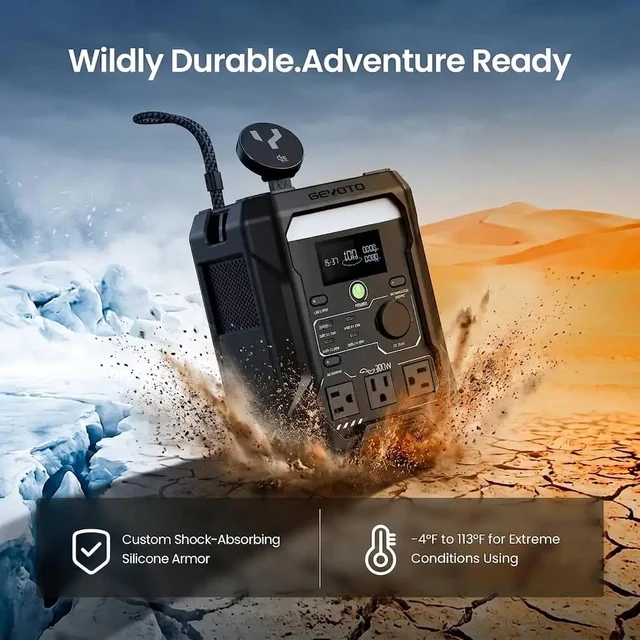
When a hurricane approaches, reliable electricity becomes one of the most important resources for protecting your home, supporting your family, and maintaining communication. Strong winds, flooding, and damaged power infrastructure can leave communities without electricity for hours or even several days. A properly planned backup power system can help keep essential appliances operating and provide greater peace of mind during an extended outage. This hurricane backup power capacity guide explains the key factors homeowners should consider when determining how much backup power they may need during an emergency.
Understanding Your Essential Power Needs
The first step in planning backup power is identifying which devices and appliances are truly necessary. During a hurricane-related outage, you may not need to operate every electrical appliance in your home. Instead, focus on essential equipment that supports safety, food preservation, communication, and basic comfort.
Common priorities include refrigerators, freezers, medical equipment, internet routers, mobile phone chargers, lights, fans, sump pumps, and security systems. If you work from home, you may also need to power a computer or other essential office equipment. Families with specific medical requirements should carefully consider the continuous electricity needs of their equipment and plan for additional capacity.
Creating a list of essential devices makes it easier to estimate your total electricity requirements. It also helps prevent unnecessary spending on a backup system that is significantly larger than your actual needs.
Calculating Running Watts and Starting Watts
One of the most important concepts in a hurricane backup power capacity guide is the difference between running watts and starting watts. Running watts refer to the electricity an appliance needs to continue operating normally. Starting watts, sometimes called surge watts, represent the additional power required when certain appliances initially turn on.
Refrigerators, freezers, air conditioners, water pumps, and some power tools can require considerably more electricity during startup than during normal operation. If your backup system does not have enough surge capacity, it may shut down or fail to start the appliance.
To estimate your requirements, check the labels or user manuals for your appliances. Add the running wattage of the devices you expect to operate simultaneously. Then identify appliances with higher startup requirements and ensure your backup system can handle the additional surge.
For example, a refrigerator may use relatively modest power while running but require significantly more power for a brief moment when its compressor starts. A generator or battery system should therefore be selected based on both continuous and peak demand.
Estimating Total Energy Consumption
Power capacity and energy capacity are related but different. Power is generally measured in watts or kilowatts and determines how many devices can operate at once. Energy is measured in watt-hours or kilowatt-hours and determines how long your system can provide electricity.
Suppose your essential equipment consumes an average of 500 watts while operating. Running that load continuously for 10 hours would require approximately 5,000 watt-hours, or 5 kilowatt-hours, of energy. Actual consumption may be lower if appliances cycle on and off rather than operating continuously.
This calculation is particularly important when evaluating battery backup systems. A battery may have enough output power to run several devices but still lack sufficient energy storage for a long outage. On the other hand, a generator may continue operating as long as fuel is available, making fuel storage and replenishment important parts of the preparedness plan.
Considering the Length of the Outage
The expected duration of a hurricane-related power outage should influence your backup power strategy. A short outage may require only enough capacity to keep essential devices operating for several hours. A prolonged outage may require a larger battery bank, additional fuel, solar charging, or a combination of different backup solutions.
Weather conditions can make restoration times unpredictable. Even after the storm passes, utility crews may need time to repair damaged poles, transformers, and transmission lines. For this reason, households in areas vulnerable to hurricanes should prepare for more than a brief interruption.
Think about your minimum daily electricity requirements and multiply them by the number of days you want to remain prepared. This approach provides a practical starting point for determining the required energy storage or fuel supply.
Choosing Between Generators and Battery Backup Systems
A hurricane backup power capacity guide should also consider the differences between generators and battery-based systems. Traditional generators can provide substantial power and may be suitable for homes with high electrical demands. Depending on the model, they can operate refrigerators, pumps, heating or cooling equipment, and other essential appliances.
Battery backup systems offer different advantages. They generally operate quietly, produce no emissions during use, and can be installed indoors when designed for that purpose. Some systems can also be recharged using solar panels, which may be useful during extended outages.
However, battery systems have a finite energy capacity. Once the stored energy is depleted, the battery must be recharged. A generator, by comparison, can continue running as long as an appropriate fuel supply is available.
The best option depends on your home’s energy needs, budget, available space, fuel access, and expected outage duration. Some households may benefit from combining battery storage with solar generation or a conventional generator.
Accounting for High-Priority Appliances
Not every appliance needs to run continuously during an emergency. Prioritizing equipment can significantly reduce your total backup power requirements.
A refrigerator, for instance, may only need electricity periodically to maintain a safe temperature. Lights can be turned off when rooms are unoccupied, while phones and laptops can be charged periodically rather than continuously. Internet equipment may also be powered only when communication is necessary.
Creating an emergency power schedule can help extend available energy. You might operate high-demand appliances at specific times while keeping lower-demand devices available throughout the day. This approach is particularly useful when using a limited-capacity battery system.
Preparing for Extreme Weather Conditions
Hurricanes create challenges that go beyond electricity consumption. Backup power equipment should be protected from rain, flooding, strong winds, and debris. Portable generators should never be operated inside a home, garage, basement, or other enclosed area because of the risk of carbon monoxide poisoning.
Generators should be positioned outdoors in a safe, well-ventilated location and operated according to the manufacturer’s instructions. Fuel should also be stored safely and legally, away from ignition sources and protected from weather conditions.
Battery systems should likewise be installed and maintained according to manufacturer recommendations. If your home is in a flood-prone area, consider where backup equipment can be safely located before a storm arrives.
Planning for Medical and Communication Needs
Households that rely on electrically powered medical equipment should give backup capacity especially careful consideration. Devices such as oxygen equipment, home dialysis systems, or other essential medical technologies may require dependable electricity for extended periods.
Communication is also critical during hurricanes. Phones, radios, routers, and emergency alert devices can help families receive important updates. A backup system should therefore account for charging these devices, particularly when evacuation information or weather alerts may be needed.
If someone in your household has critical medical power requirements, consult healthcare professionals and equipment providers to understand the appropriate emergency plan.
Building a Practical Emergency Power Plan
A good backup power strategy involves more than purchasing equipment. Test your system before hurricane season, inspect cables and connections, and make sure everyone in the household understands how to use it safely.
Keep a written inventory of essential appliances and their estimated power requirements. Review the list regularly as household needs change. Consider having backup charging options for phones and smaller electronics, and maintain emergency lighting that does not depend entirely on your main backup system.
It is also wise to monitor local hurricane forecasts and prepare your backup equipment before severe weather arrives. Waiting until the last minute can make it difficult to find fuel, batteries, or replacement equipment.
Final Considerations for Backup Power Capacity
The right backup system depends on several factors, including the number of appliances you need to operate, their running and starting wattage, the expected duration of the outage, and the amount of energy you can store or generate. By carefully evaluating these variables, homeowners can create a backup strategy that is practical and reliable.
This hurricane backup power capacity guide highlights the importance of balancing power output with energy storage. A system should be powerful enough to handle your highest simultaneous demand while providing enough stored energy or fuel to support your household for the expected duration of the outage. With careful planning, regular testing, and proper safety practices, backup power can become an important part of a comprehensive hurricane preparedness plan.